
Happy Wednesday! We are past the midpoint of the week and diving into one of those cybersecurity topics that every IT professional considers essential but that most small businesses have never fully implemented: network segmentation. It sounds technical, but the concept is straightforward, and the protection it provides is enormous.
What Network Segmentation Actually Does
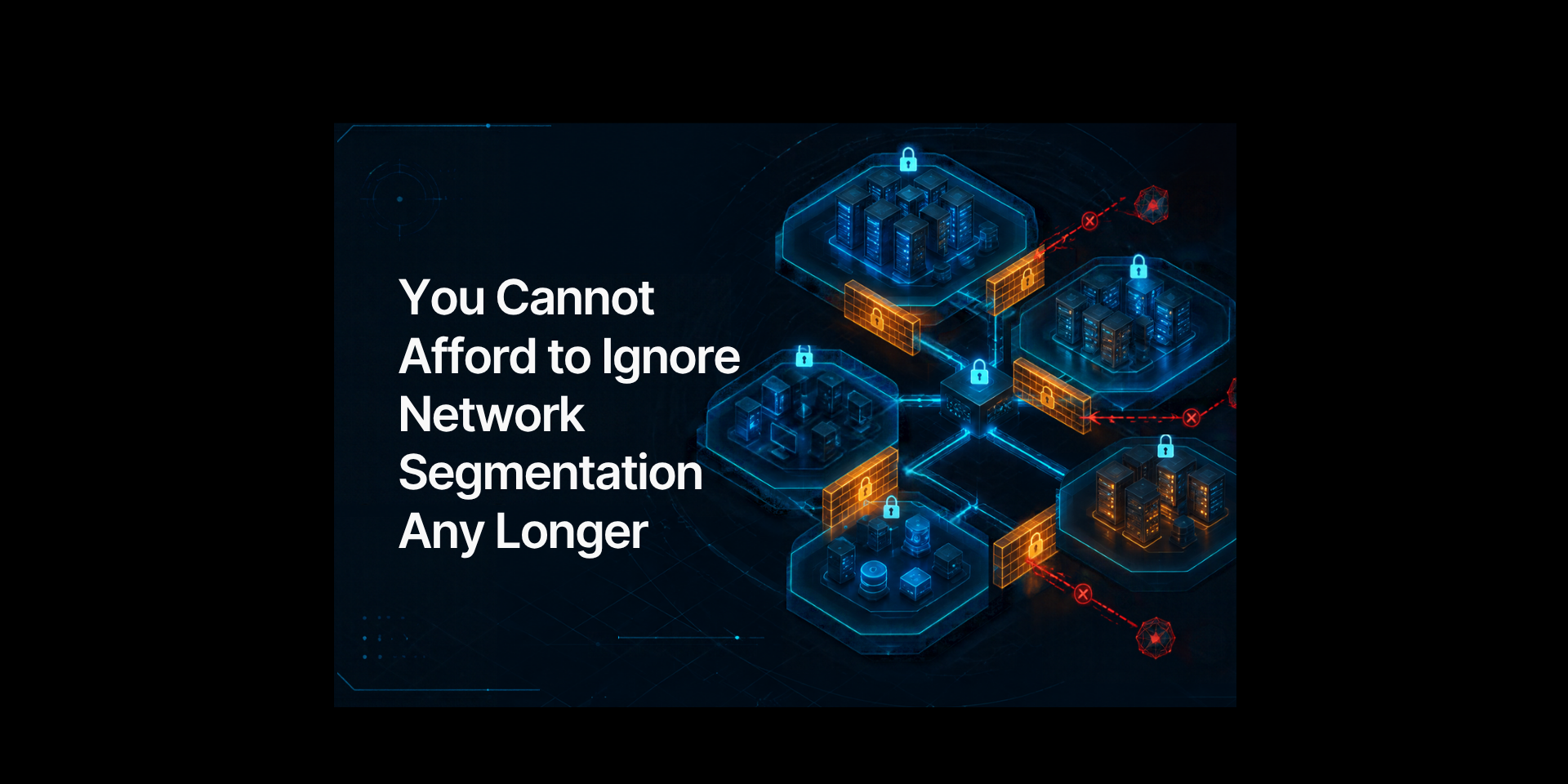
Network segmentation is the practice of dividing your business network into separate zones, or segments, so that traffic can only flow between them in controlled, authorized ways. Instead of every device on your network being able to communicate freely with every other device, segmented networks enforce boundaries that limit how far an attacker or piece of malware can travel if they get in.
The classic analogy is a ship with watertight compartments. If one compartment floods, the rest of the ship stays afloat. On an unsegmented network, once an attacker is in, they typically have access to everything. On a segmented network, a compromised device in one zone cannot automatically reach the finance server in another.
Why 2026 Makes This More Urgent
The proliferation of IoT devices in business environments has dramatically increased the attack surface that segmentation needs to address. Smart printers, IP cameras, building access systems, smart thermostats, and conference room equipment are all connected to business networks, often with minimal built-in security. Attackers know this and routinely target these devices as entry points precisely because businesses do not segment them away from more sensitive systems.
The FBI and CISA have both issued guidance in 2026 specifically recommending that businesses isolate IoT devices on separate network segments from business data systems. The guidance exists because the attack pattern of entering through a vulnerable IoT device and then pivoting to high-value targets is well documented and increasingly common.
What Proper Segmentation Looks Like
A well-segmented small business network typically separates at minimum: business workstations and servers, guest and visitor Wi-Fi, IoT and operational devices, and payment processing systems if applicable. Each segment has its own access rules, and traffic between segments is monitored and controlled.
Modern network hardware makes this more achievable than ever for small businesses. VLAN configuration on managed switches and wireless access points can create meaningful segmentation without requiring enterprise-level hardware budgets.
This Is Where RJ2T Comes In
RJ2 Technologies designs and implements network segmentation for small and mid-sized businesses as part of our managed network services. We assess your current environment, identify the segments that make sense for your specific setup, and implement the controls that keep your most valuable systems protected even if another part of your network is compromised. Good network architecture is one of the highest-ROI security investments a small business can make.
Book your free discovery call here: https://meetings.hubspot.com/jeff-dann/free-discovery-call